Geography
Explore the locations that are significant to the life of Thomas More
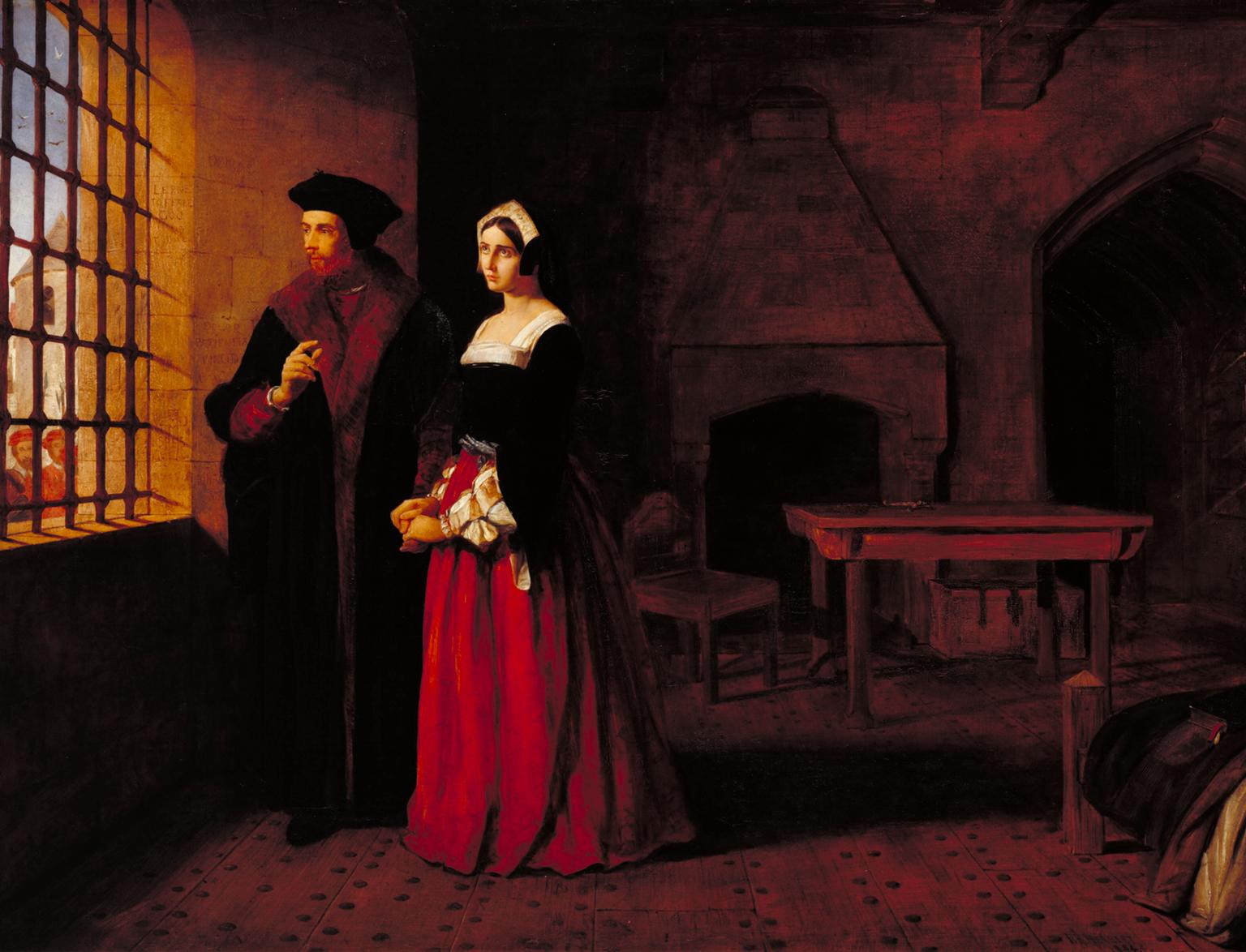
Sir Thomas More and his Daughter
by John Rogers Herbert
A Londoner
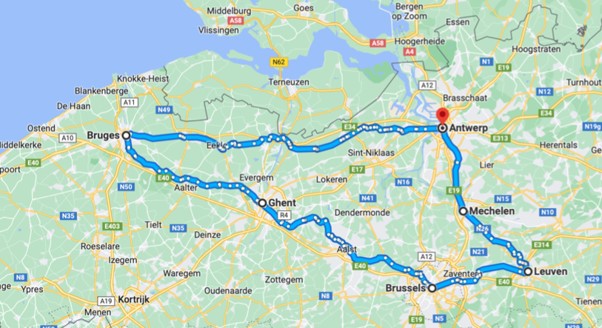
Thomas More was a Londoner. He was born in Milk Street, off Cheapside, the market-place that went along from St Paul’s cathedral to Poultry Street, and he was executed on Tower Hill, east of the City. He had his home in or near London and worked in or near London all his life. Thus, Thomas More’s “geography” continues to be more or less recognizable today: St Lawrence Jewry, a few yards from his parents’ home; Lambeth; Westminster; Chelsea; and further from central London, the church and shrine of Our Lady of Willesden. More travelled in the service of the King, whether to Hampton Court or Greenwich, or as High Steward of the Universities of Oxford and Cambridge. From London he also travelled on personal or family affairs to Hertfordshire, Coventry, the Universities of Paris and Louvain … and on several embassies of the King to the Continent: Bruges (1515), Cambrai (1527).
A scheme for this geography:
Thomas More’s home
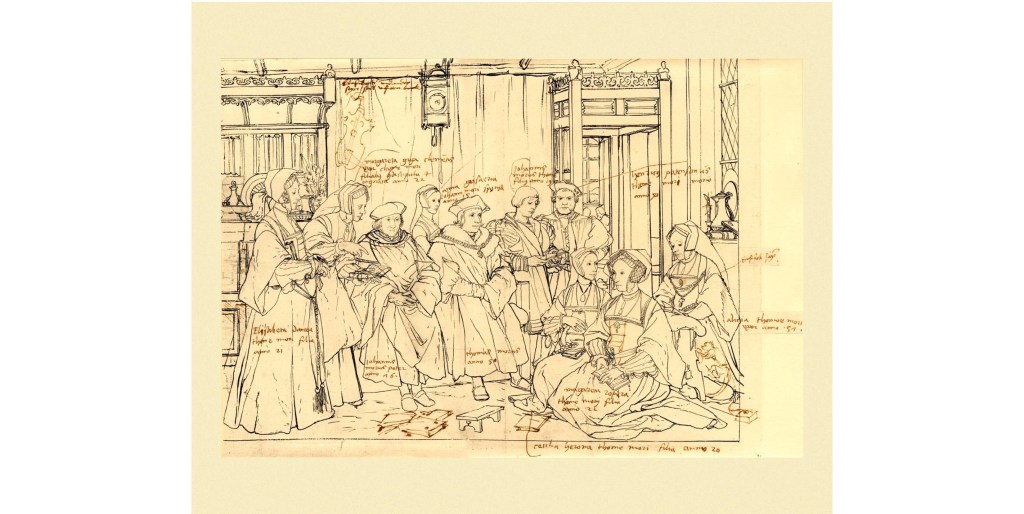
In considering the different sites related to St Thomas More, it is worth bearing in mind that he was always very much centred on his family. Thus, any Thomas More geography should be based on the three locations where he lived as a family man:
Firstly, during his formative years he lived in his father’s home in Milk Street (off Cheapside). While he went to school at St Anthony’s near his home, or continued his education in Lambeth Palace, Oxford, and the legal quarters of the Inns of Court, he was based in his father’s house. It is interesting to note for instance that whether or not he resided near the Charterhouse, during that period he lectured on St. Augustine’s City of God in a parish church near his father’s house.
Secondly, when he married in 1505, he left his father’s house and moved to a house in Bucklersbury Street. His new address was also off Cheapside and thus he continued to be near his father’s house. At that time he worked for the Mercers’ Company, which had its headquarters nearby, in Cheapside; he worked also in the Guildhall, a few minutes’ walk from his home. His house in Bucklersbury was leased from the Mercers’ Company. All his children were born while he lived in Bucklersbury: Margaret (1505), Elizabeth (1506), Cecily (1507) and John (1509). His new parish church, St Stephen’s Wallbrook, was just across the street from his house. His first wife was buried at this church, and there he married his second wife in 1511.
Thirdly, in 1524 he moved to Chelsea where he lived with his family until he was taken to the Tower in 1534.
The fourth stage of More’s geography is obviously his last pilgrimage which would take him to well-trodden places. At the beginning of April 1534, he went on pilgrimage to Our Lady of Willesden. On Sunday 12 April he listened to a sermon at St. Paul’s Cross, outside the cathedral, after which he went to visit his adopted daughter Margaret Giggs and her husband John Clement at More’s former house in Bucklersbury Street. Along the way he received the summons to take the Oath of Succession. He returned that night to stay with his family in Chelsea, and on Monday 13 April he went to the parish church in Chelsea where he went to confession, attended Mass and received Communion. From there he went to Lambeth Palace, where he was put under the custody of the Abbot of Westminster and on 17 April was taken to the Tower whence he was taken for trial in Westminster Hall on 1 July 1535, only to be returned to the Tower until his execution on 6 July 1535.
The above gives the scheme for this geography.
This guide is meant to be walked in as many sessions as you have available. The relevant streets or sites are given in bold. To focus attention on the environment that Thomas More saw and lived in, we recommend the traveller to enteronly a few places, which are underlined in the guide; a summary of those few places is given here.
Places to enter:
St Lawrence Jewry
The Guildhall, Great Hall and Crypt
Lincoln’s Inn
Chelsea Old Church
Our Lady of Willesden
Lambeth Palace
Westminster Hall
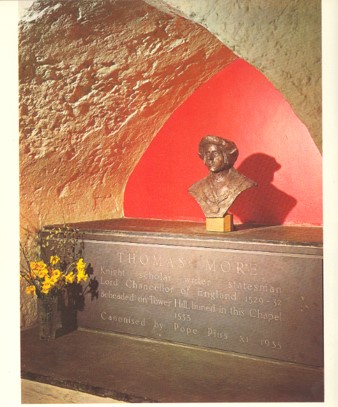
Tower of London, Chapel of St. Peter ad Vincula and the cell
St Dunstan’s Church in Canterbury

Walk 1: Cheapside
Walk 3: Legal quarters beyond the London Bars
Walk 4: Chelsea

Walk 5: Westminster, Lambeth, Tyburn

Walk 6: Willesden

Walk 7: Greater London: Greenwich, Eltham, Hampton Court
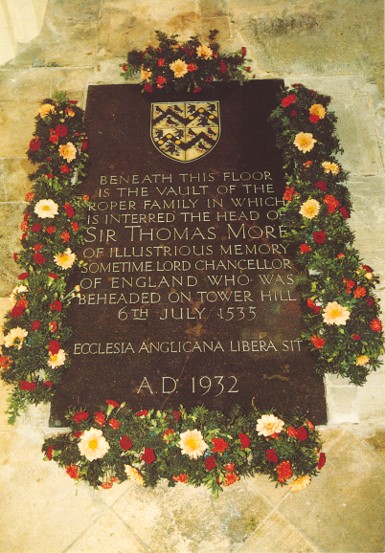
Walk 8: Canterbury

Walk 9: Oxford

Walk 10: Cambridge

Walk 11: Stonyhurst College
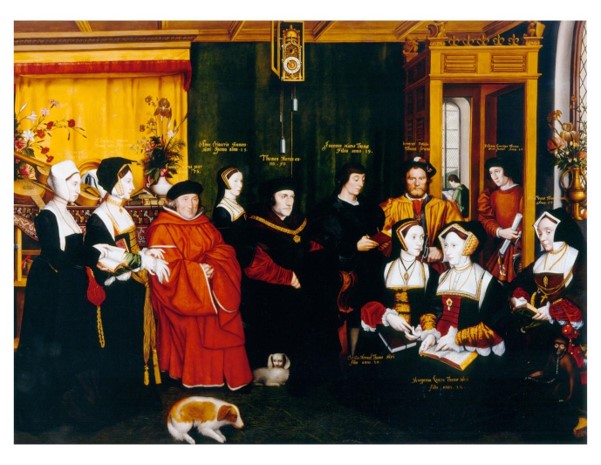
Walk 12: Nostell Priory
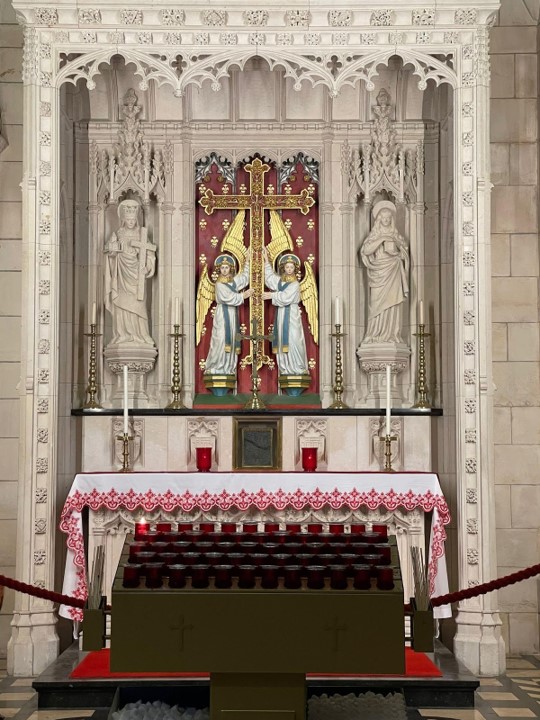
Walk 13: Hair-shirt of St Thomas More at Buckfast Abbey
 Thomas More Research